Peptide Quality Assurance & Pureness Testing Boc Scientific Researches
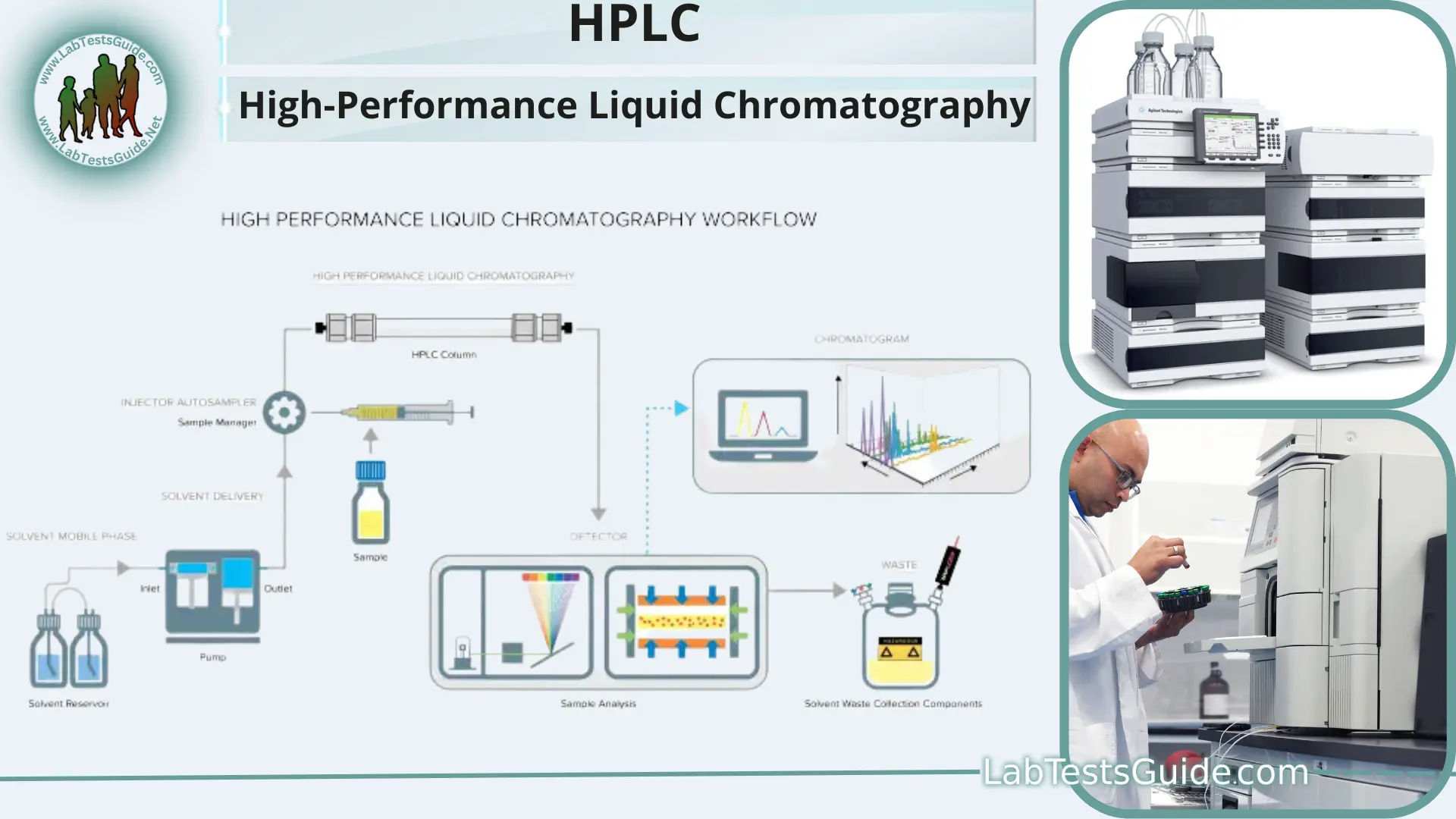
Peptide Pureness Testing: How Scientists Confirm Quality Top-tier laboratories frequently report peptide pureness well above 95%, frequently ≥ 98-99%, by using state-of-the-art HPLC and MS analyses. They likewise examine both raw materials and finished peptide vials, which assists capture any type of pollutants, degradation items, or solution variances. This degree of comprehensive analysis ensures the peptide's accuracy-- suggesting the sequence and purity are precisely as identified-- which is critical for speculative reproducibility. By verifying make-up through multiple verified techniques, laboratory validation guarantees that researchers receive a high-purity peptide that will certainly carry out as anticipated in the laboratory. Trusted labs use proven testing procedures to analyze peptide samples and confirm their pureness and chemical make-up. By clicking "Yes", you verify that you are 21 years old or older, agree that any products bought will be utilized purely for research study purposes and accept our Regards to Service. Some 3rd celebration laboratories give the outcomes of the assay as a binary pass/fail. It is for that reason crucial to check for hefty metals; accordingly, Sincere Peptide tests for every single solitary item for hefty steels. Heavy steels are unseen to HPLC and mass specification and, if existing, will build up in organic matter offer time with adverse effects on neurological, renal and hepatic function.
Is 95% purity good for peptides?
Peptides with an 85% purity degree or greater are generally Storage Conditions used in enzyme assays or biological activity researches. Peptides with pureness higher than 95% are excellent for quantitative analysis.
Hplc And Ms Evaluation
- A mass specification verification revealing [M+H] + of 1,420.54 (the protonated molecule) would validate the correct molecular weight.
- The technique figures out the exact mass of the peptide, which functions as a molecular fingerprint.
- The buddy page on why 99 percent purity matters discusses why little impurity percentages can still matter in sensitive in-vitro assays.
- Purity matters due to the fact that pollutants may have their own organic activity, confounding outcomes.
- After effective testing, each manufacturing set is issued a Certification of Evaluation (COA).
Peptide Applications In Useful Foods And Health Products
You can discover more regarding our analytical testing methods on our testing and high quality web page. If the target peptide's height represent 99.1% of the total peak location, the peptide is reported as 99.1% pure by HPLC. The release process of peptide solutions is complicated, and a lack of clinical information impedes advancement. We establish in vitro release models, providing full launch curves and kinetic model analysis to maximize item design. Residual natural solvents, steel ions, or by-products from synthesis may cause toxic negative effects. In basic terms, HPLC is exactly how scientists verify that a peptide is clean, appropriately made, and worthwhile of trust fund. When you see peptide purity reported using HPLC, it means the item has actually Laboratory Standards been thoroughly examined utilizing among the most reliable quality-control methods readily available. At Values Analytics, we provide specialized peptide testing and quantitation solutions to sustain study, pharmaceutical, and nutraceutical applications. Reduced purity-- say, 90-- 95%-- presents a meaningfully larger contamination profile that might make complex analysis of study results. Comprehending how to critically review a COA-- and what the numbers actually mean-- is consequently an essential research competency. This article is offered academic and study reference functions just.